
You recently joined the Institute of Chemical Physics. What motivated you to start working here?
During my master's studies, I realized that I wanted to build my career in the field of nuclear energy and radiation. Unfortunately, there is currently no specialised study programme in this field available in Latvia, although I hope that one day the University of Latvia will establish one. Who knows - perhaps I will even have the opportunity to contribute to its development.
Until then, the Institute of Chemical Physics is one of the few places in Latvia where it is possible to gain in-depth practical experience in this field, learn from highly experienced specialists - now my colleagues - and continue developing professionally. I am also motivated by the opportunity to promote public understanding of nuclear energy and radiation, helping to ensure that people's perceptions of this field are based on modern science and evidence rather than solely on historical events and stereotypes.
Could you tell us about your educational and professional background?
My educational and professional journey has been shaped by my interest in chemistry, engineering, and management, and later by my growing passion for nuclear energy.
I obtained a Bachelor's degree in Chemical Technology from the Faculty of Natural Sciences and Technology at Riga Technical University. During my studies, I worked at the Rudolfs Cimdiņš Riga Biomaterials Innovation and Development Centre, where I developed microparticles containing clindamycin phosphate. Thanks to their antibacterial properties and controlled drug release, these microparticles could potentially be used in oral and maxillofacial surgery in the future.
After completing my bachelor's degree, I earned a Master's degree in Production Engineering and Management at the Faculty of Engineering Economics and Management of Riga Technical University. I chose this programme because I initially intended to pursue a career in manufacturing, particularly in the chemical industry. However, my professional experience gradually shifted my interests in a different direction. During my two years at the Radiation Safety Centre of the State Environmental Service, I became increasingly interested in nuclear energy. As a result, I dedicated my master's thesis to nuclear energy and reactor technologies, assessing the potential for developing these technologies in Latvia.
What are your main responsibilities at the Institute, and what projects are you currently working on?
One of my main responsibilities is working on the project "Polymer-Based Composite Shielding Materials with Additives for Enhanced Radiation Protection and Dosimetric Performance in Medical, Space and Defence Applications".
As part of this project, I model various composite materials to evaluate which material combinations would provide the most effective radiation shielding while meeting the specific requirements of different applications. This approach allows us to assess the potential performance of materials and optimise their composition before they are manufactured.
In addition, I am involved in various radiation safety-related activities, continue expanding my knowledge and expertise in this field and support the Institute's day-to-day operations.
You won the Faculty's Step Challenge. What helped you achieve the best result? Do you regularly engage in physical activities?
I believe the main reason was that I changed my daily habits during the challenge. Instead of using public transport or micromobility options, I chose to walk to and from work. It takes me about 25 minutes each way from my home to the University of Latvia Academic Centre. I also took longer walks in the evenings and tried to avoid using the lift at work whenever possible, choosing the stairs instead.
I try to stay physically active on a daily basis, not just during the Step Challenge. I walk a lot and enjoy running. This year, representing the University of Latvia, I participated in the Rimi Riga Marathon and completed the 10 km race. My next goal is to prepare for the half marathon (21 km).
I hope that the next season the University of Latvia Sports Centre's running sessions will be scheduled at least once a week on Tuesdays or Thursdays, as I attend folk dance rehearsals on Monday and Wednesday evenings. That would make it much easier to combine both hobbies and prepare more effectively for longer-distance races.
What do you enjoy doing in your free time? What are your hobbies and interests outside work?
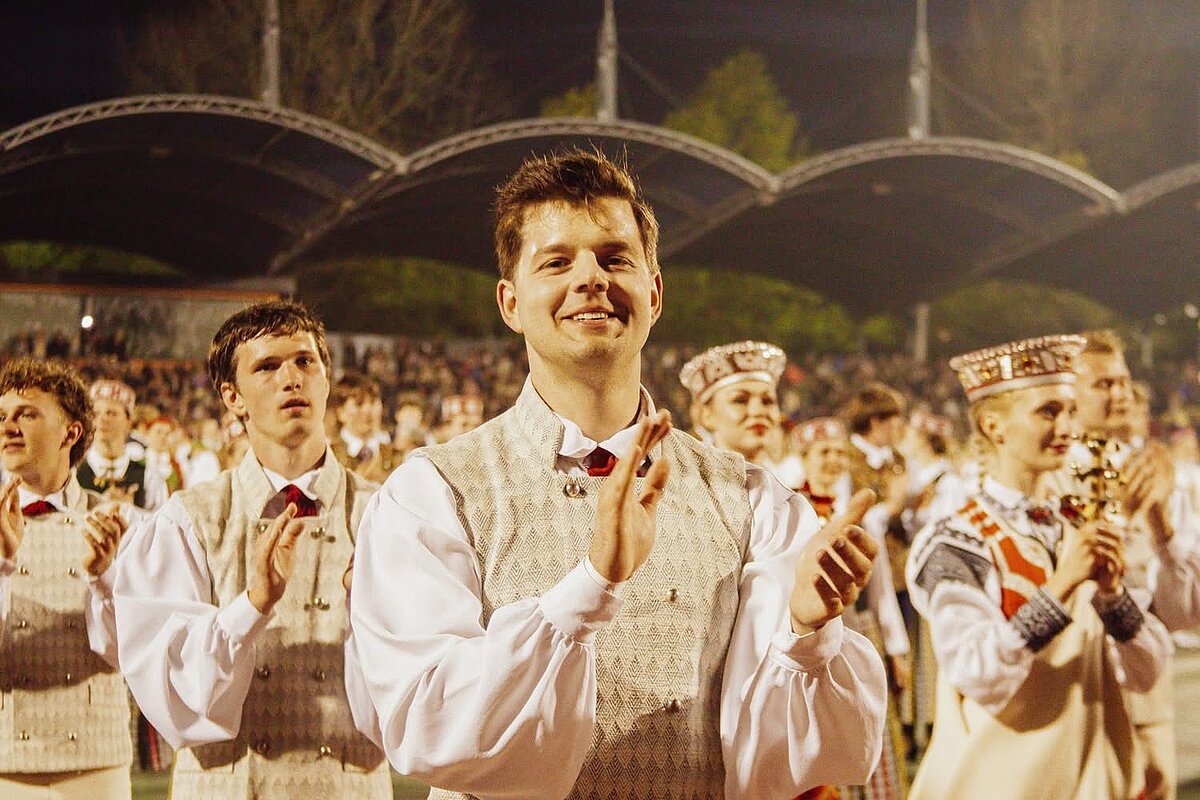
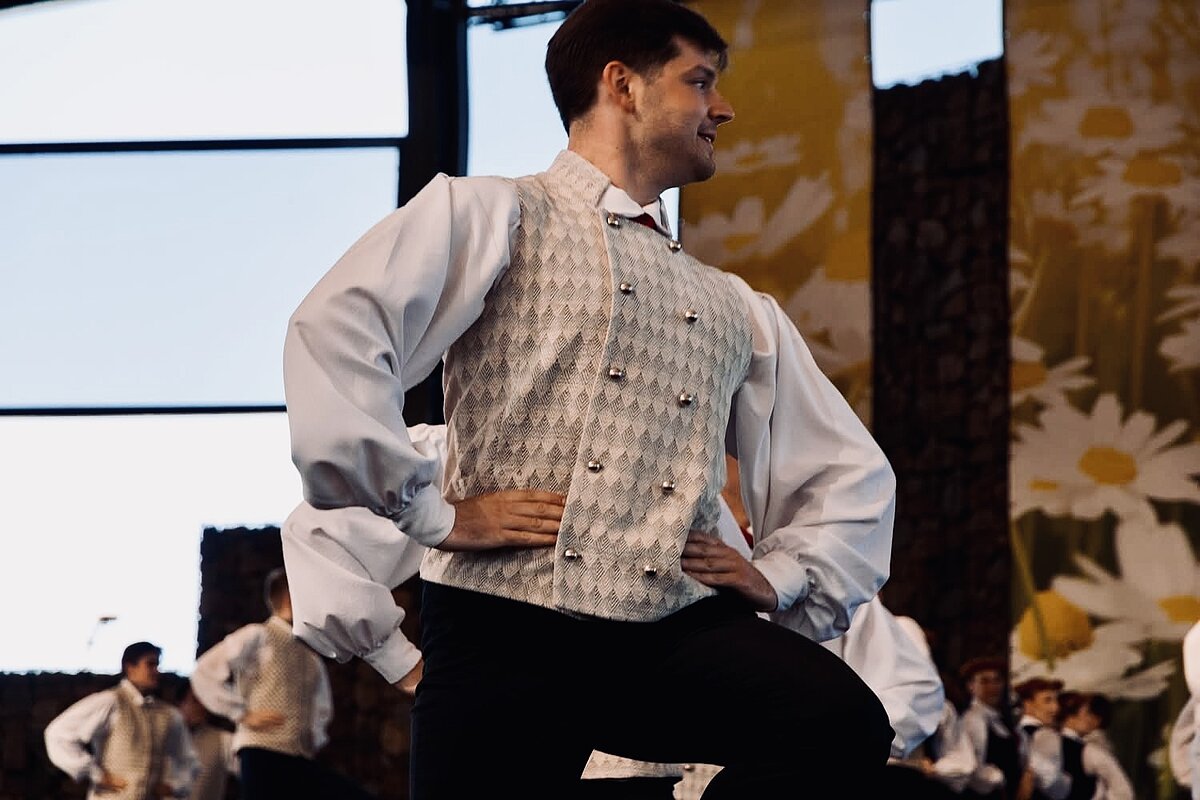
In my free time, I try to dedicate time to activities that helps me maintain a healthy work-life balance. My greatest passion is Latvian folk dancing. I dance with the folk dance ensemble Lielupe, and it has been an important part of my life since I was three years old. Dancing not only allows me to preserve and celebrate Latvian traditions but also helps me stay active and connect with like-minded people.
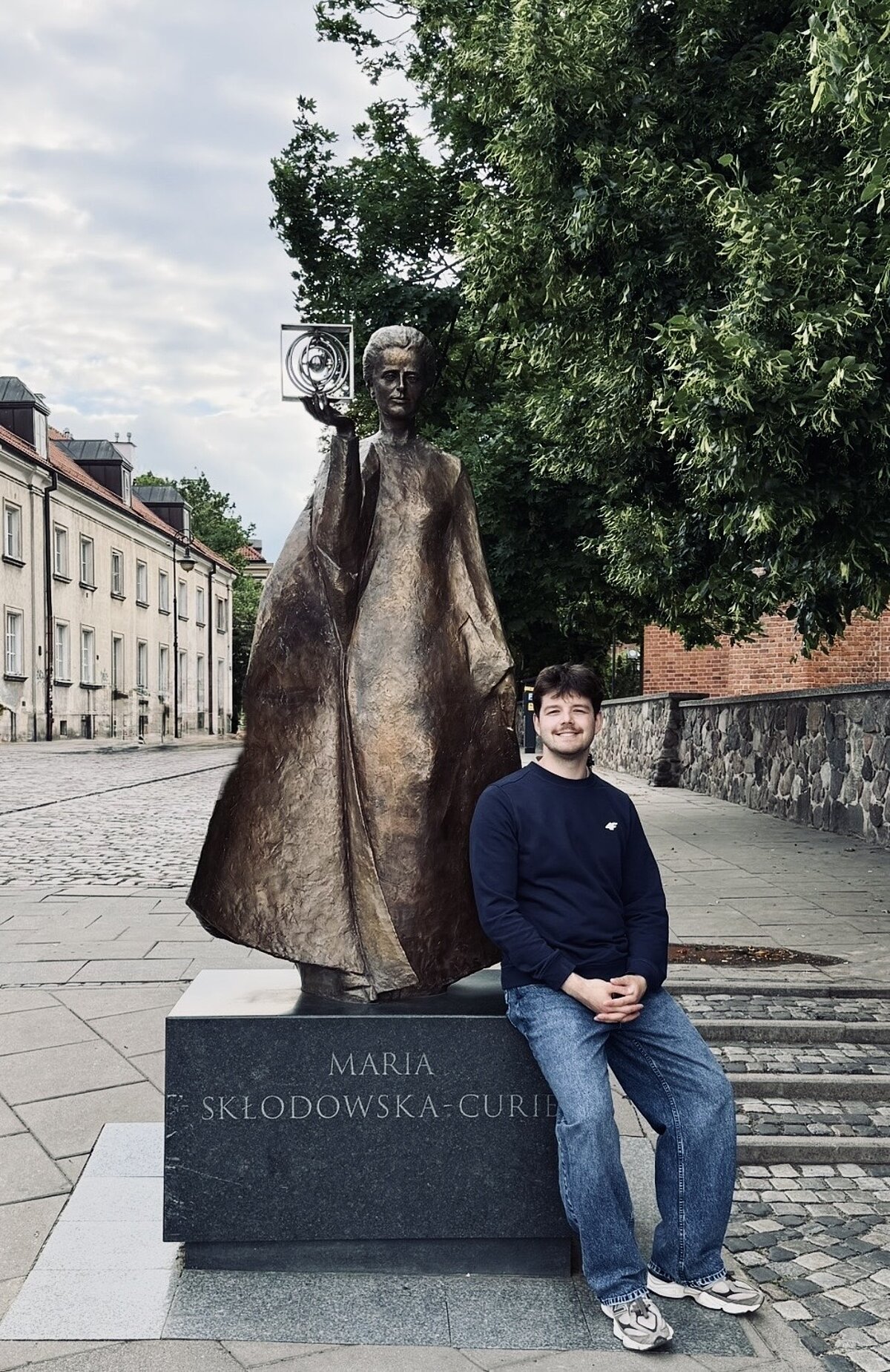
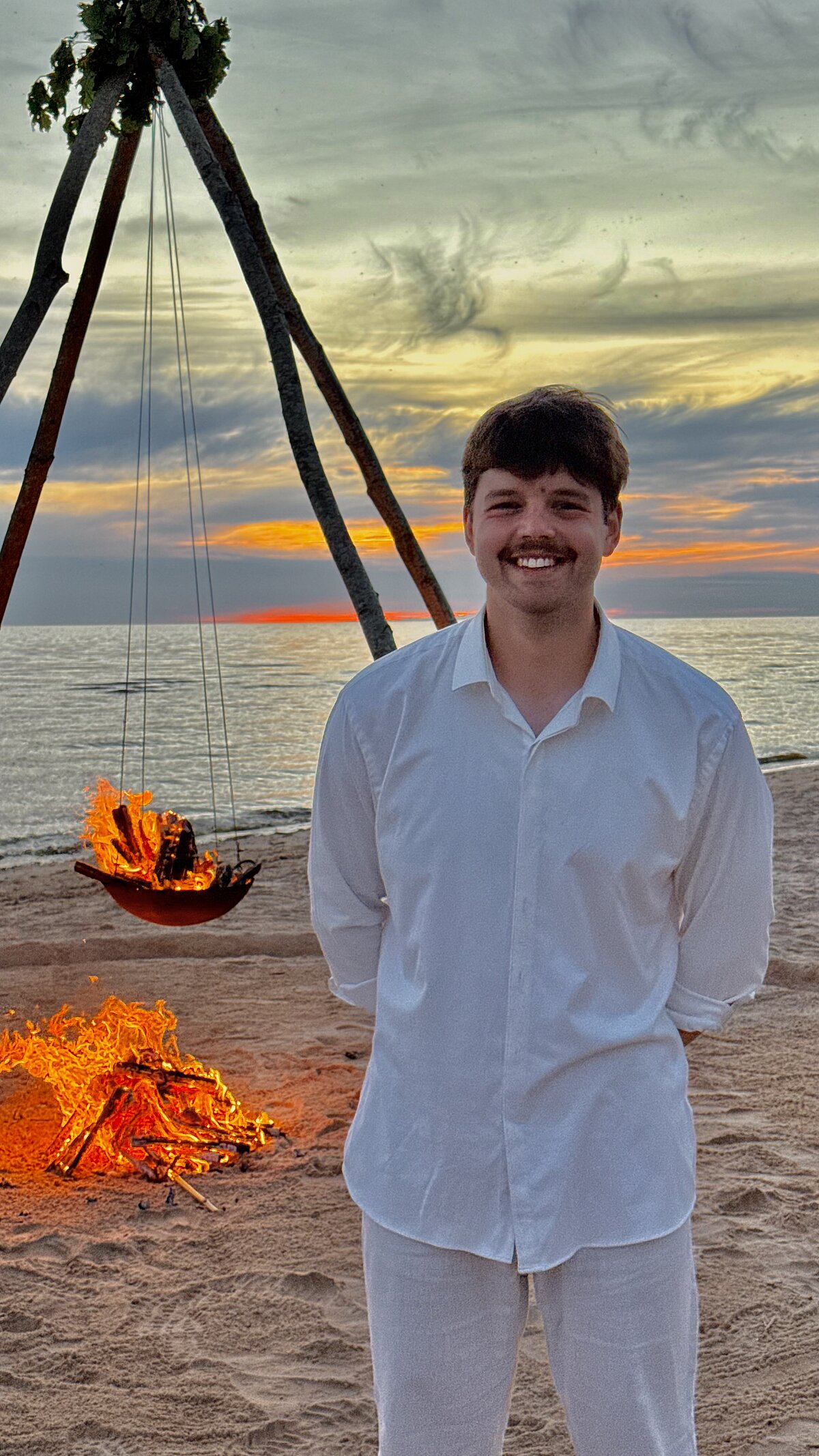
Besides dancing, running is one of my favourite hobbies. It helps me stay physically fit, clear my mind, and disconnect from everyday routines. I also enjoy spending time in nature and travelling, exploring different countries, cultures, traditions, and meeting new people. I believe travelling broadens one's perspective and encourages seeing the world from different points of view.
Whenever I have the opportunity, I also participate in activities organised by the Latvian 4H organisation, both as a participant and by helping to organise events. In quieter moments, I enjoy reading books on self-development and personal growth.
