
“Soil might not be the first thing people think of — but it is essential” — Interview with PhD Researcher
Baiba Dirnēna reflects on her doctoral journey, research in soil science, and the importance of teamwork, teaching, and staying balanced outside academia.
On your doctoral thesis — what was your research about?
My doctoral thesis focuses on soil resources and the information available about soils in Latvia. Soil is an essential resource; however, its importance is often underestimated because when discussing land resources, the first thing that usually comes to mind is mineral resources rather than soil itself.
Nevertheless, soil plays a crucial role in the development of the agricultural sector and global food security, as well as in discussions on environmental sustainability, particularly in the context of climate change.
Much of the available information about soils is outdated - not only in Latvia, but also in many other European countries.
Currently, soil-related issues are becoming increasingly important within the European Union, and growing investments are being made in soil research. There are several processes that contribute to soil degradation, and my research examines how these processes affect soil quality, classification, and the information available about soils.
The foundation of my research is data interoperability - how information obtained in Latvia can be integrated into common European data systems. This would allow further calculations, such as emission estimates, to become more accurate and based on up-to-date data rather than outdated information.
What was the most challenging part of your PhD journey?
My doctoral journey was a very long one - I started my studies in 2018. One of the greatest challenges was that the original research topic changed several times due to project and funding limitations.
Another important aspect of natural sciences is fieldwork data collection - gathering the data takes a great deal of time, followed by lengthy laboratory work. Compared to that, writing and data analysis almost seem like the easiest part.
The most difficult aspect was the long preparation process and the energy required just to make the research possible in the first place.
What helped you stay motivated?
My colleagues. During the long hours of fieldwork, business trips, and distant expeditions, we supported each other greatly - both physically and emotionally.
The most important thing is having a good, close-knit team of people who genuinely understand and support you.
What does your everyday work look like?
One of the reasons I enjoy working at the university is the diversity of the work. Research is dynamic - one day you work outdoors, another day in the laboratory, and another at your computer. It is never boring.
In addition to research, I also work with students. I am involved in teaching several lecture courses not only for students of our faculty, but also environmental protection courses for students from other faculties.
This gives me the opportunity to see how environmental issues are perceived by people from various fields and by society more broadly. In turn, this helps me explain my own research in a clearer and more accessible way to a wider audience.
I also work with young people - I am a first-year student mentor and one of the coordinators of the Environmental Academy for high school students.
How do you spend your free time?
Once I realised how easy it is to burn out in such a dynamic environment, I promised myself that during holidays I would completely disconnect from work and dedicate time to myself.
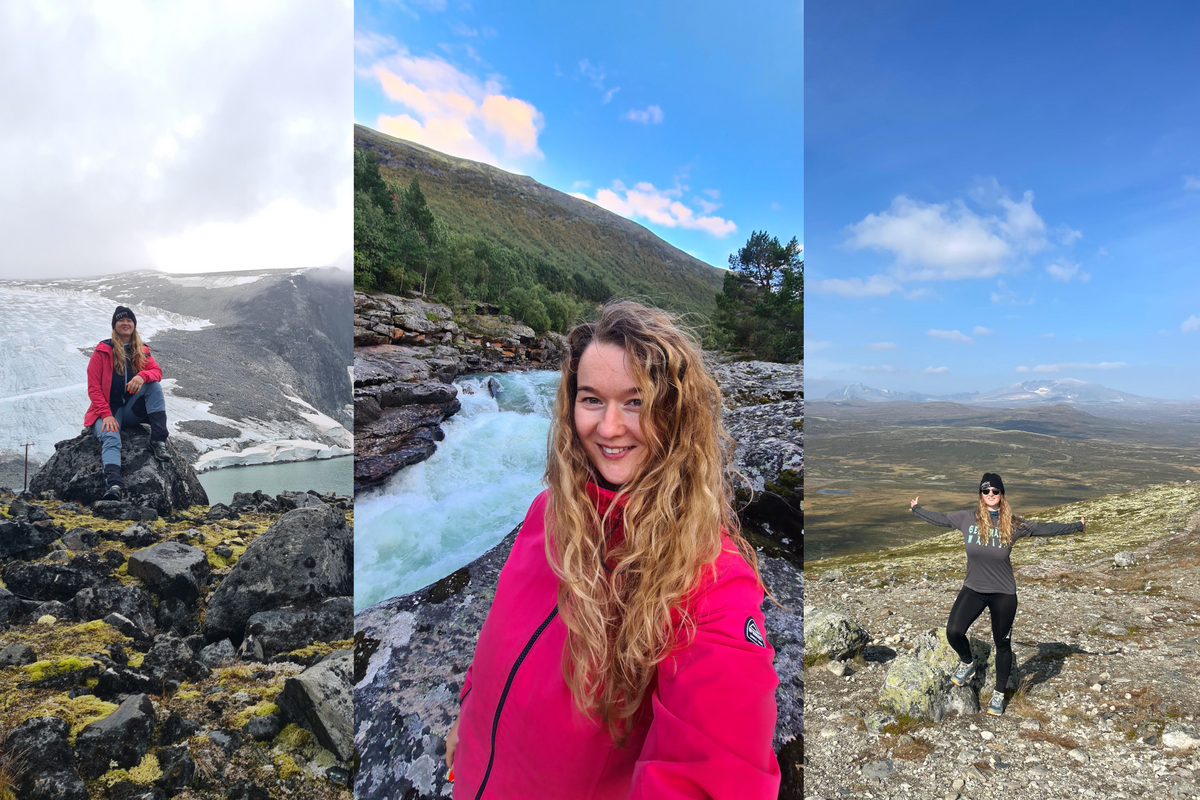
That is why I usually spend my vacations outside Latvia - visiting friends or going on mountain hikes. The higher and more challenging, the better! Nature helps me recharge and clear my mind.
In my daily life, I also play volleyball two to three times a week.
At that moment, the only thing to think about is how to score a point and avoid breaking a nail.
It helps me both unwind and recharge at the same time.
This PhD journey highlights not only the importance of soil research in Latvia and Europe, but also the human side of scientific work — collaboration, resilience, and balance.
Behind the data and fieldwork is a researcher who values teamwork, teaching, and time in nature just as much as academic discovery.
